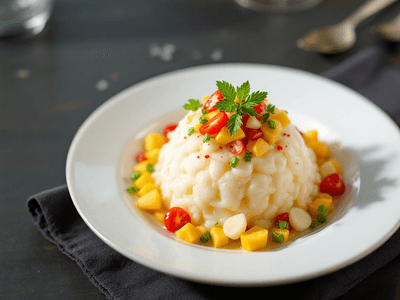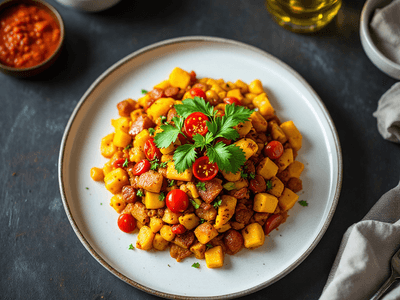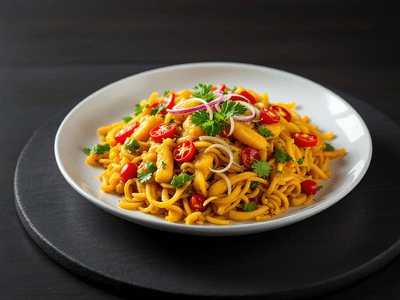
Pinakbet
Lunch • Philippines
About Pinakbet
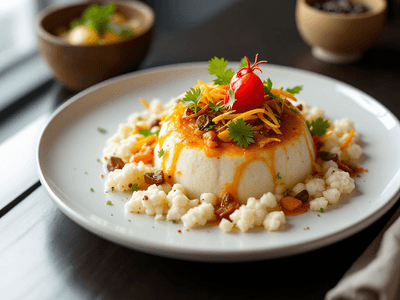
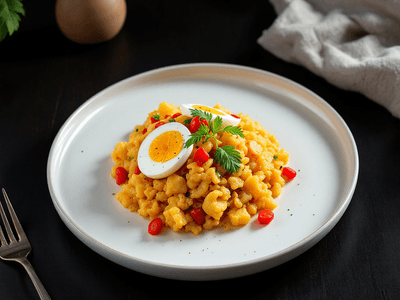
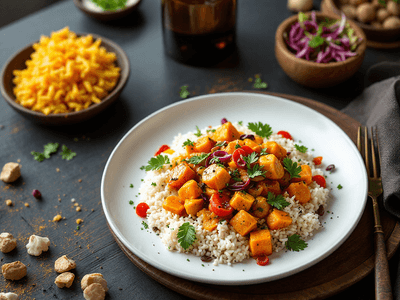
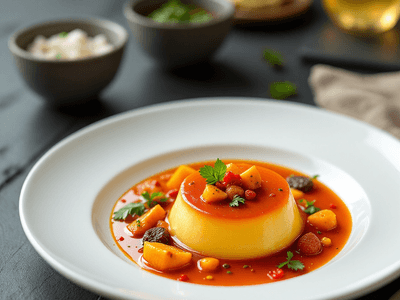
Pinakbet is a classic Filipino vegetable stew, usually served as ulam during lunch or dinner at a carinderia. It features a mix of local veggies like talong, kalabasa, and sitaw, simmered in bagoong alamang (shrimp paste) or bagoong isda (fish paste) for a bold, savory flavor. Some variations skip the bagoong for a vegetarian take, or swap it for seasonings that keep it halal-safe. This humble dish is often paired with rice and occasionally has bits of fried tofu or mushrooms in vegetarian versions. Pinakbet stands out for its nutritional value, especially when compared to heavier fried street food or meaty viands. At 75 kcal per 100g, with 4g protein and 3g fiber, it’s light but filling, so larger portions are guilt-free. For healthier eating, ask for less oil, since total fat is modest at 3g per 100g, mostly from sautéing. Those looking for merienda might find pinakbet too light—it's really best as a main lunchtime ulam. If you’re watching calories or cholesterol, pinakbet is a solid option, especially if you stick to the pure veggie version and skip added chicharon or pork.
How to Make Pinakbet (Traditional & Healthy Version)
Pinakbet, a beloved Filipino vegetable stew, traces its roots to the northern regions of the Philippines, especially Ilocos. Known for its vibrant flavors and colorful medley of vegetables, Pinakbet is a staple in many Filipino households. The dish beautifully combines local produce like bitter melon (ampalaya), eggplant, squash, okra, and string beans with umami-rich bagoong (fermented shrimp paste) and a modest portion of lean pork, creating a harmonious balance between savory and earthy tastes. This dish not only showcases the agricultural abundance of the Philippines but also reflects the Filipino approach to resourceful, wholesome cooking. Traditionally cooked in clay pots over wood fire, Pinakbet is a celebration of simplicity, nutrition, and community. Its hearty, homey taste makes it a comforting lunch option, and its adaptability ensures it can be enjoyed by everyone, including those seeking healthier, calorie-conscious meals. For those looking to experience authentic Filipino cuisine, Pinakbet is a must-try, offering a taste of tradition in every bite.
Ingredients(for 1 medium bowl (approx. 350g) per serving)
- 100g Lean pork belly (cut into thin strips)
- 1 small Ampalaya (bitter melon) (sliced)
- 1 medium Eggplant (sliced into rounds)
- 1 cup Squash (kalabasa) (cubed)
- 6 pieces Okra (ends trimmed)
- 1 cup String beans (sitaw) (cut into 2-inch pieces)
- 2 medium Tomatoes (chopped)
- 1 small Onion (chopped)
- 3 cloves Garlic (minced)
- 1 tablespoon Bagoong alamang (fermented shrimp paste) (use low-sodium if available)
- 1 cup Water
- 1/4 teaspoon Ground black pepper - optional
Instructions
- 1
Heat a non-stick pan over medium heat. Add the lean pork belly and sauté until lightly browned and some fat has rendered.
5 minutes
Trim visible fat from pork to reduce calories.
- 2
Add the chopped onion and garlic to the pan. Sauté until fragrant and the onions turn translucent.
2 minutes
Keep stirring to prevent garlic from burning.
- 3
Stir in the tomatoes and cook until they are soft and the juices have been released.
3 minutes
Fresh, ripe tomatoes add natural sweetness.
- 4
Add the bagoong alamang and mix well, letting the flavors meld with the pork and aromatics.
2 minutes
Use low-sodium bagoong for a healthier version.
Why This Dish is Healthy
This Pinakbet recipe is a healthy choice because it is low in calories, high in fiber, and full of essential nutrients. Using lean pork and minimal oil helps reduce saturated fat, while the abundance of vegetables supports digestive health and immunity. It’s a perfect meal for those seeking a balanced diet, weight management, or blood sugar control. The stew is naturally gluten-free and can be easily adapted for various dietary needs.
Pinakbet is packed with fiber, vitamins, and minerals from a variety of vegetables such as ampalaya, eggplant, and squash. The inclusion of lean pork provides quality protein while keeping the fat content moderate. The dish is rich in antioxidants, vitamin A (from squash), vitamin C (from tomatoes), and phytonutrients. Its low-calorie nature makes it suitable for calorie-controlled diets, and the use of low-sodium bagoong helps manage sodium intake.
Pro Tips
- 💡Tip 1: Always add harder vegetables like squash first to ensure even cooking.
- 💡Tip 2: Use fresh, local vegetables for the most authentic and nutritious Pinakbet.
- 💡Tip 3: Adjust bagoong to taste, but remember a little goes a long way for flavor.
Storage & Serving
Store leftovers in an airtight container in the refrigerator for up to 2 days. Reheat gently on the stovetop to maintain the texture of the vegetables. Avoid freezing as the vegetables may become mushy.
Best served: Lunch
Nutrition Facts
| Nutrient | Per 100g |
|---|---|
| Energy | 75.0 kcal |
| Protein | 4.0 g |
| Carbohydrates | 8.0 g |
| Total Fat | 3.0 g |
| Fiber | 3.0 g |
Cultural Notes
Pinakbet is a staple in many provinces, especially Ilocos and Pangasinan, and popular at carinderias for its affordability and wholesome flavor.