Palitaw
Snacks • Philippines
About Palitaw
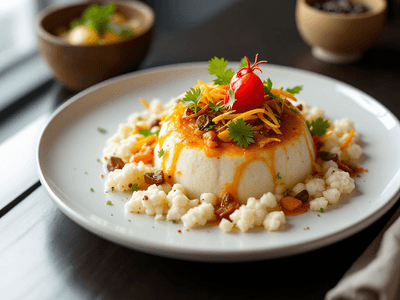
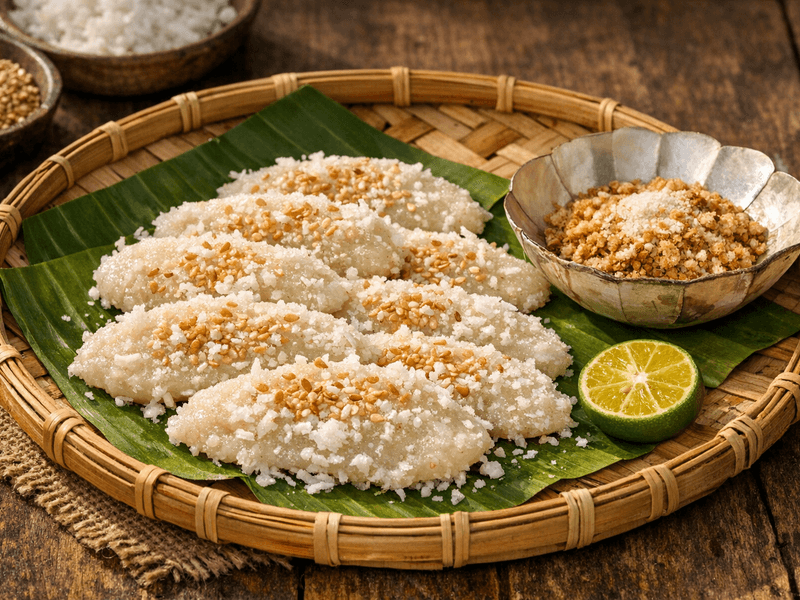
Palitaw is a classic kakanin, often found at carinderias, wet markets, and Filipino street food stalls during merienda hours. Made from glutinous rice flour mixed with water, the dough is shaped into flat discs and dropped into boiling water. Once they float ('litaw' in Tagalog means 'to rise'), the sticky, chewy pieces are drained and coated in freshly grated niyog (coconut), then served with a dusting of sugar and toasted linga (sesame seeds). Some vendors offer extra toppings like pinipig or a hint of salt. At around 170 kcal per 100g, palitaw is relatively light as a snack—especially compared to richer kakanin like bibingka or puto. Its simple ingredient list keeps fat content modest (3g per serving), with most calories coming from carbohydrates (34g/100g), mainly the rice flour and sugar. If you're watching your sugar, ask for less topping or go easy on the dip. For a more filling merienda, enjoy it alongside a mug of salabat. Palitaw is naturally vegan and vegetarian, using no dairy or animal products.
Ingredients
- 1 cup malagkit na bigas (glutinous rice flour)
- 1/2 cup tubig
- 1/2 cup fresh niyog, grated
- 1/4 cup white sugar
- 2 tbsp linga (sesame seeds), toasted
- optional: pinch of salt or pinipig
How to Make
- 11. Sa isang bowl, ihalo ang glutinous rice flour at tubig hanggang maging smooth dough.
- 22. Pumuwing maliit na balls, tapos pitpitin para maging flat discs.
- 33. Ihulog ang discs sa kumukulong tubig; kapag lumutang na, hanguin at palamigin ng bahagya.
- 44. Ibalot ang palitaw sa grated coconut, at i-plate.
- 55. Budburan ng sugar at toasted sesame seeds bago ihain.
Nutrition Facts
| Nutrient | Per 100g |
|---|---|
| Energy | 170.0 kcal |
| Protein | 2.0 g |
| Carbohydrates | 34.0 g |
| Total Fat | 3.0 g |
| Fiber | 1.0 g |
Cultural Notes
Palitaw is a beloved kakanin for Pinoy merienda or panghimagas, often sold in palengke stalls or by home-based vendors. It’s a nostalgic snack at birthdays and barangay gatherings.