Puto
Desserts • Philippines
About Puto
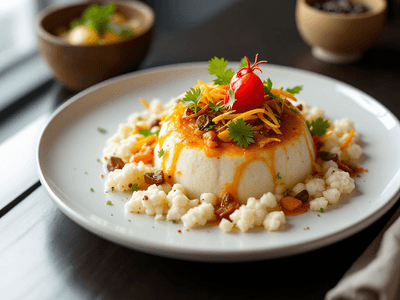
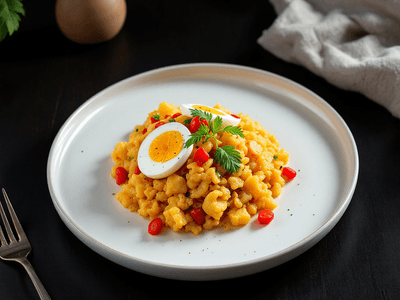
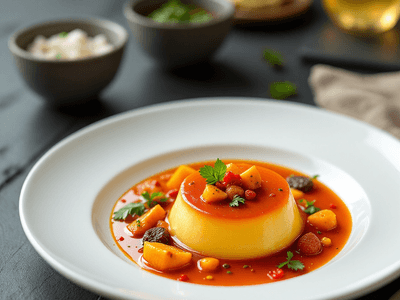
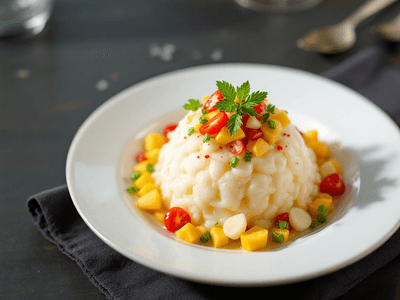
Puto is a classic Filipino kakanin, often made from rice flour, sugar, and coconut milk, steamed to a soft, fluffy texture. It’s a staple merienda item, sold in batches at carinderias, market stalls, and street-side vendors. Locals enjoy puto plain or paired with savory dishes like dinuguan, as the subtle sweetness balances hearty flavors. You’ll find puto served in small bite-sized rounds, sometimes topped with cheese or salted egg for extra flavor. Nutritionally, one 100g portion delivers around 200 kcal mainly from carbohydrates, with moderate fat and minimal protein. It’s vegetarian and halal-safe, making it widely acceptable. Puto is light enough to suit a midday snack but, given its high carb content, portion control is key if you’re watching your sugar or calorie intake. If you’re ordering at a carinderia, keep in mind that cheese or butter-topped variants add extra calories. The basic version remains a gentler option for merienda, especially when compared to fried desserts.
How to Make
- 1Combine rice flour, sugar, baking powder, and salt in a mixing bowl.
- 2Add coconut milk and melted butter; mix until smooth batter forms.
- 3Pour batter into small greased molds or muffin cups.
- 4Steam for 15-20 minutes until puto is firm and cooked through.
- 5Top with grated cheese before serving, if desired.
Nutrition Facts
| Nutrient | Per 100g |
|---|---|
| Energy | 200.0 kcal |
| Protein | 3.0 g |
| Carbohydrates | 38.0 g |
| Total Fat | 4.0 g |
| Fiber | 0.0 g |
Cultural Notes
Puto is a staple Filipino snack served during fiestas, family gatherings, and as a complement to savory dishes like dinuguan. Its presence in carinderias and local markets reflects its status as a go-to merienda across generations.