Kutsinta
Snacks • Philippines
About Kutsinta
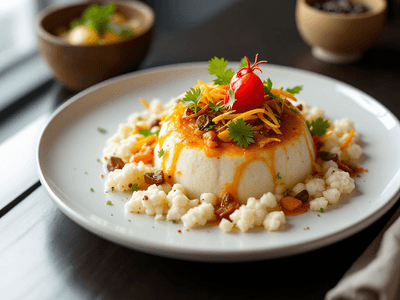
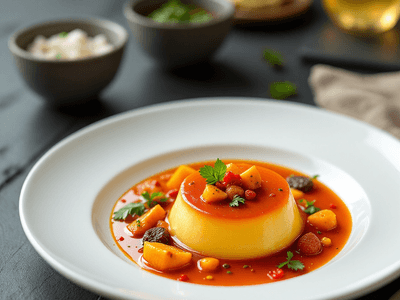
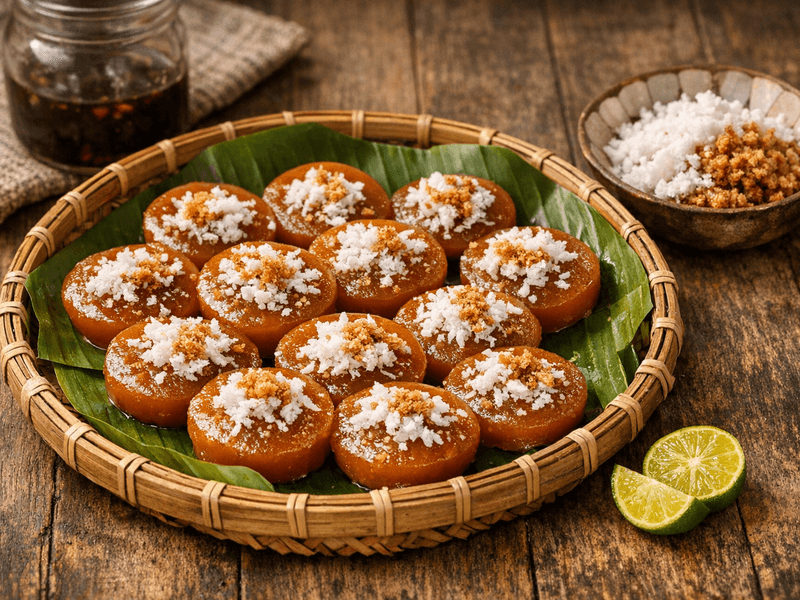
Kutsinta is a classic Filipino kakanin, easily spotted in carinderias, palengke stalls, and street food carts around the country. Its rich amber-brown color and chewy yet slightly sticky texture come from a combination of rice flour, brown sugar, and lye water (lihiya), with annatto often added for color. Typically cut into small, bite-sized rounds, kutsinta is usually enjoyed as merienda, paired with freshly grated niyog on top that balances the sweetness with a mild, creamy contrast. It’s common to spot trays of kutsinta set beside puto or sapin-sapin, served ready for takeaway or eaten on the spot while chatting with friends. Nutritionally, kutsinta is relatively light compared to deep-fried snacks—delivering about 180 kcal per 100g serving. Most of its energy comes from carbohydrates, making it a satisfying but sweet bite. The fat and protein content are low, and it offers a bit of fiber. For those mindful of sugar, portion control is key—limit your share to a couple of pieces to keep the sugar and calorie intake reasonable. Kutsinta can be an accessible vegan or vegetarian choice, especially if topped with coconut instead of salted egg. Best enjoyed freshly made, but often sold pre-packed in markets for convenience. When choosing between street food treats, kutsinta is a lighter, plant-based option than some fried or meat-heavy merienda.
How to Make Kutsinta (Traditional & Healthy Version)
Kutsinta is a beloved Filipino steamed rice cake, known for its distinct orange-brown color, chewy texture, and subtle sweetness. This classic snack is often enjoyed during merienda (afternoon snack time) or as part of festive gatherings across the Philippines. Its origins trace back to Filipino home kitchens, where it is prepared using simple, plant-based ingredients like rice flour, brown sugar, and lye water. The gentle aroma of pandan and the soft bite make Kutsinta a staple in Filipino cuisine, offering a taste of tradition with every bite. Kutsinta stands out not just for its flavor, but also for its cultural significance. It is a common sight in local markets and during celebrations, where it is typically served with a generous topping of freshly grated coconut. This healthy version of Kutsinta maintains its authentic taste and texture while being mindful of calories and nutritional value. Whether you're new to Filipino food or seeking a vegan-friendly snack, this recipe is a delightful and wholesome introduction to the Philippines' rich culinary heritage.
Ingredients(for 3 medium rice cakes (approx. 90g total))
- 1 cup Rice flour (galapong)
- 3/4 cup Brown sugar (muscovado or regular)
- 2 tbsp All-purpose flour
- 1 tsp Annatto powder (atsuete)
- 1/2 tsp Lye water (lihiya)
- 1 cup Water (room temperature)
- 1/2 tsp Vanilla extract - optional
- 1 small leaf Pandan leaf (optional, for aroma) - optional
- 1/4 cup Fresh grated coconut (for topping) - optional
Instructions
- 1
In a mixing bowl, combine rice flour, all-purpose flour, and brown sugar. Mix thoroughly until well blended.
3 minutes
Sift flours to avoid lumps and ensure a smooth batter.
- 2
Dissolve annatto powder in the water, then pour this mixture into the dry ingredients. Stir until a smooth, lump-free batter forms.
2 minutes
Annatto gives Kutsinta its signature color and subtle earthy flavor.
- 3
Add lye water (lihiya) and vanilla extract to the batter. Mix well. If using, add pandan leaf for added aroma.
2 minutes
Do not exceed the recommended lye water amount; it affects texture and safety.
- 4
Strain the batter using a fine mesh sieve to remove any lumps and ensure a silky consistency.
2 minutes
Straining creates a delicate, smooth texture in the final rice cakes.
Why This Dish is Healthy
This healthy Kutsinta recipe is steamed rather than fried, reducing the need for added oils and keeping the fat content minimal. Using rice flour and natural sweeteners like muscovado or brown sugar, it provides slow-digesting carbohydrates for longer-lasting energy. The recipe is free from artificial additives and uses plant-based ingredients, making it ideal for those seeking a wholesome, low-cholesterol snack. Its moderate calorie count fits easily into most balanced meal plans, making it a guilt-free treat.
Kutsinta is a naturally low-fat, vegan-friendly snack made primarily from rice flour and brown sugar. It provides a moderate amount of carbohydrates for sustained energy, while being low in saturated fat and cholesterol. The addition of fresh coconut topping offers healthy fats, dietary fiber, and minerals such as manganese and potassium. This snack is free from dairy and animal products, making it suitable for plant-based diets. Each serving delivers a balance of essential macros, with 180 calories, 2g protein, 38g carbs, and only 2g fat.
Pro Tips
- 💡Tip 1: Always measure lye water precisely to achieve the right texture and avoid bitterness.
- 💡Tip 2: Straining the batter ensures a smooth, lump-free kutsinta.
- 💡Tip 3: Let the kutsinta cool before unmolding for best results and easier handling.
Storage & Serving
Store Kutsinta in an airtight container at room temperature for up to 2 days. For longer storage, refrigerate for up to 5 days and re-steam or microwave briefly before serving to restore softness.
Best served: Breakfast or Lunch
Nutrition Facts
| Nutrient | Per 100g |
|---|---|
| Energy | 180.0 kcal |
| Protein | 2.0 g |
| Carbohydrates | 38.0 g |
| Total Fat | 2.0 g |
| Fiber | 1.0 g |
Cultural Notes
Kutsinta is a staple in local kakanin platters and is a familiar sight during Filipino fiestas, merienda breaks, and at neighborhood stalls. Its chewy texture and sweet taste make it a favorite across generations.