Pork Adobo
Lunch • Philippines
About Pork Adobo
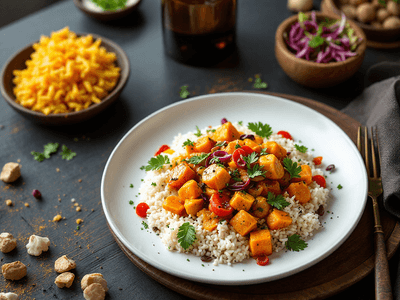
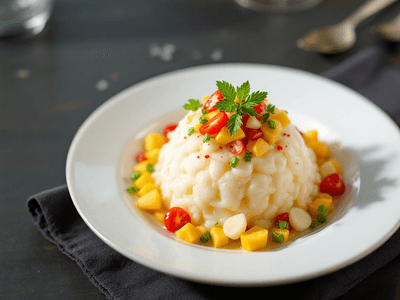
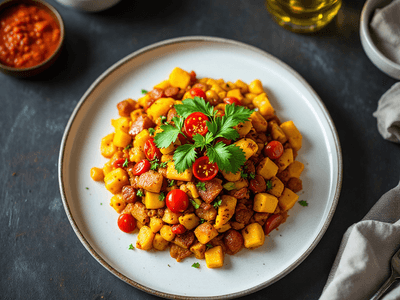
Pork Adobo is a classic Filipino ulam known for its rich, savory flavor and tender pork pieces simmered in a blend of soy sauce, vinegar, garlic, and bay leaves. This dish is a staple in carinderias across the country, often served with a heap of steamed rice during lunch or as a comforting meal at home. Locals appreciate its balanced salty-sour profile, and, depending on the region or household, it can be enjoyed with a hint of pepper or even coconut milk for added depth. Each serving (100g) packs about 225 calories and a considerable amount of fat (17g), making it a hearty choice when you’re craving something filling. While the protein content is solid (16g), the minimal carbohydrates (3g) and zero fiber suggest that adobo is best paired with vegetables or rice to complete the meal. For those watching their intake, consider portioning adobo as part of your lunch plate and complementing it with lighter side dishes like atchara or steamed greens. At carinderias, it’s common to ask for extra sauce (“sabaw”) for flavor but moderation is key since the fat content can creep up, especially with pork belly cuts.
How to Make Pork Adobo (Traditional & Healthy Version)
Pork Adobo is an iconic Filipino dish celebrated for its rich flavor, simplicity, and cultural significance. Originating in the Philippines, this beloved stew features tender pork simmered in a tangy soy sauce and vinegar base, infused with garlic, bay leaves, and peppercorns. Adobo is often considered the unofficial national dish of the Philippines, enjoyed by families across generations during everyday meals and festive gatherings alike. What makes Pork Adobo stand out is its delightful balance of savory, sour, and aromatic notes. Its recipe is deeply rooted in Filipino history, passed down and adapted through the centuries, reflecting the resourcefulness and diverse palate of the Filipino people. For health-conscious food lovers, this version uses lean pork cuts and reduced sodium soy sauce, creating a lighter yet authentically flavorful dish. Whether served with steamed rice or enjoyed as a standalone entrée, Pork Adobo offers a wholesome and comforting taste of Filipino home cooking.
Ingredients(for 1 cup cooked Pork Adobo with sauce)
- 300g Lean pork shoulder (cut into 1-inch cubes (kasim or pigue))
- 2 tablespoons Low sodium soy sauce (to reduce sodium content)
- 2 tablespoons Cane vinegar (also called 'sukang puti')
- 4 cloves Garlic (minced)
- 2 pieces Bay leaves (dahon ng laurel)
- 1 teaspoon Whole black peppercorns
- 1 cup Water (for simmering)
- 1 teaspoon Coconut oil (or any neutral oil)
- 1/2 teaspoon Brown sugar (optional, balances acidity) - optional
- 1 tablespoon Green onions (sliced, for garnish) - optional
Instructions
- 1
In a bowl, combine lean pork cubes, low sodium soy sauce, vinegar, and minced garlic. Mix well and marinate for at least 10 minutes.
10 minutes
The longer you marinate, the deeper the flavor. Marinate overnight for best results.
- 2
Heat coconut oil in a non-stick pan over medium heat. Add marinated pork (reserve marinade) and sear until all sides are lightly browned.
5 minutes
Browning the pork adds depth to the sauce.
- 3
Add the reserved marinade, bay leaves, peppercorns, and water to the pan. Stir gently to combine.
2 minutes
Deglaze the pan to incorporate all the flavors.
- 4
Bring to a boil, then reduce heat to low. Cover and simmer until pork is tender and sauce has reduced, about 15 minutes.
15 minutes
Simmer gently to avoid toughening the pork.
Why This Dish is Healthy
By choosing lean pork and reducing added salt, this dish fits well into balanced diets and supports healthy weight management. The use of vinegar and natural aromatics means fewer calories and more robust flavors without unhealthy additives. It's a great way to enjoy authentic Filipino cuisine while staying mindful of nutrition and portion control.
This Pork Adobo recipe uses lean pork cuts, making it lower in saturated fat and calories compared to traditional versions. The use of low sodium soy sauce helps control sodium intake, beneficial for heart health and blood pressure. Pork provides high-quality protein, B vitamins, and essential minerals like zinc and iron. Garlic and peppercorns add antioxidants and anti-inflammatory properties, while the absence of processed ingredients supports overall wellness.
Pro Tips
- 💡Tip 1: Marinating longer enhances the flavor—overnight is best.
- 💡Tip 2: For a less fatty dish, skim off oil from the surface before serving.
- 💡Tip 3: Adobo tastes even better the next day as the flavors meld.
Storage & Serving
Store leftover Pork Adobo in an airtight container in the refrigerator for up to 3 days. The flavors deepen over time, making it even tastier when reheated. It can also be frozen for up to 2 months and reheated gently in a pan or microwave.
Best served: Lunch
Nutrition Facts
| Nutrient | Per 100g |
|---|---|
| Energy | 225.0 kcal |
| Protein | 16.0 g |
| Carbohydrates | 3.0 g |
| Total Fat | 17.0 g |
| Fiber | 0.0 g |
Cultural Notes
Pork Adobo is widely regarded as the unofficial national dish, appearing on almost every Filipino lunch table and in carinderia displays. Its adaptability to different meats and regional tastes underscores its role in daily Filipino cuisine.