Pichi-Pichi
Desserts • Philippines
About Pichi-Pichi
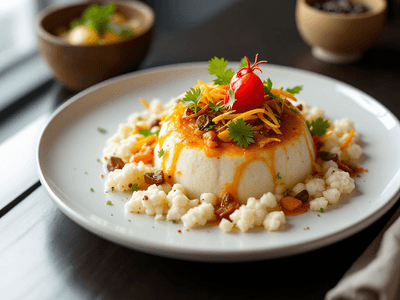
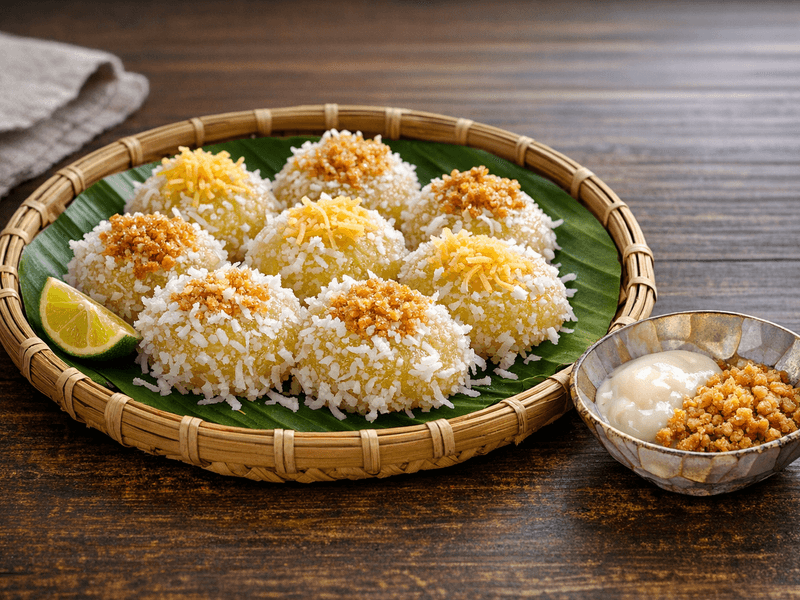
Pichi-pichi is a beloved kakanin made from grated cassava, sugar, and water, steamed until it forms a soft, chewy, translucent treat. It's typically served in bite-sized pieces and coated with freshly grated coconut (niyog) or, for a slightly richer twist, cheese. In carinderias and palengke stalls, pichi-pichi is a familiar sight—often stacked in trays, wrapped in banana leaves, or packed into clear plastic containers for convenient merienda or dessert after ulam. This dessert earns its reputation for being simple, subtly sweet, and pleasingly bouncy in texture. Nutritionally, a 100g serving clocks in at about 200 kcal, mostly from carbohydrates, making it a light yet satisfying option compared to heavier kakanin like sapin-sapin or biko. Protein and fiber content are naturally low, so portion control is advisable, especially if you're watching sugar intake. To keep it lighter, opt for smaller pieces—one or two pichi-pichi with coconut is an enjoyable, not-overwhelming treat that fits well in a balanced merienda spread.
Ingredients
- 500g grated Cassava (kamoteng kahoy)
- 1 cup White sugar
- 1.5 cups Water
- 1 tsp Lye water (lihiya)
- 1 cup Fresh grated coconut (niyog)
- 1/2 cup, grated Cheese (optional)
How to Make
- 1Mix grated cassava, sugar, water, and lye water in a bowl until well-blended.
- 2Pour the mixture into small, greased muffin molds or heatproof containers.
- 3Steam for 40-50 minutes, or until the mixture becomes translucent and firm.
- 4Let cool, then remove pichi-pichi pieces from molds.
- 5Roll each in freshly grated coconut or sprinkle with cheese before serving.
Nutrition Facts
| Nutrient | Per 100g |
|---|---|
| Energy | 200.0 kcal |
| Protein | 1.0 g |
| Carbohydrates | 42.0 g |
| Total Fat | 3.0 g |
| Fiber | 1.0 g |
Tags
Cultural Notes
Pichi-pichi is a staple kakanin at Filipino celebrations, often featured in merienda spreads and sold by street vendors alongside other native desserts.