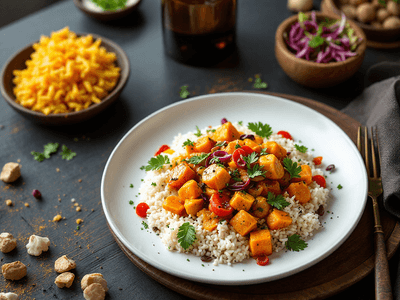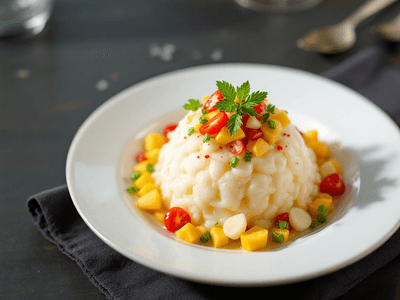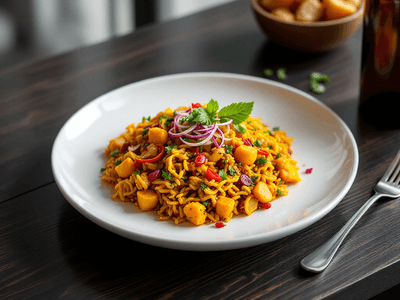
Sinangag
Breakfast • Philippines
About Sinangag
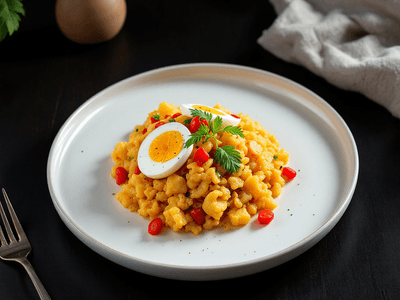
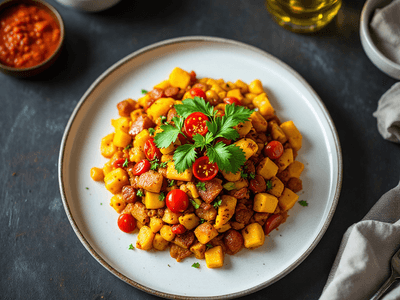
Sinangag, often called garlic fried rice, is a staple on Filipino breakfast tables and carinderias alike. Made by sautéing leftover rice with crushed garlic, it's simple yet packed with flavor—a perfect way to repurpose last night's kanin for the morning's ulam. You’ll typically see sinangag served as a base for classic silog combos (like tapsilog or longsilog), but it also stands on its own for those following vegetarian, vegan, or halal-safe diets, since it’s usually cooked without animal products unless paired with meat sides. Nutritionally, sinangag delivers around 190 kcal per 100g serving, with 3g protein, 35g carbs, and 4g fat. While it's lighter than partnered fried meats, the oil used for sautéing does bump up the fat content, so those watching their intake may want to request less oil at their favorite carinderia. Pairing sinangag with fresh veggies or tofu makes for a filling yet balanced merienda or breakfast meal. Portion control is key if you’re aiming for a lighter start, as it's easy to pile on extra rice and oil when eating out. Ordering sinangag is straightforward—it's often available by itself or as part of silog meals. If you want to keep it on the healthier side, specify 'konting mantika lang' to the vendor to reduce extra fat. The dish’s appeal lies in its adaptability: it can be enjoyed plain, topped with fried garlic, or paired with a side of your choice.
How to Make Sinangag (Traditional & Healthy Version)
Sinangag, also known as Filipino garlic fried rice, is a beloved breakfast staple in the Philippines. Rooted in the country’s rich culinary heritage, Sinangag is traditionally made by stir-frying leftover rice with abundant garlic, creating a fragrant, savory dish that pairs perfectly with classic Filipino breakfasts. Its simplicity and versatility make it a favorite in Filipino households, especially for busy mornings when a hearty, satisfying meal is needed. The aromatic garlic infuses the rice with a rustic flavor, while the use of day-old rice gives it a distinct texture—slightly chewy, yet delightfully crisp. In Filipino culture, Sinangag is more than just a breakfast food—it’s a symbol of resourcefulness and comfort. Many families prepare Sinangag to reduce food waste by repurposing leftover rice, often served alongside eggs, vegetables, or plant-based proteins for a balanced meal. The dish’s taste is subtle yet impactful, with the garlic providing a gentle kick without overpowering the rice. Whether enjoyed solo or as part of a traditional Filipino breakfast spread, Sinangag offers a wholesome, delicious start to the day, making it an ideal choice for health-conscious eaters worldwide.
Ingredients(for 1 cup cooked Sinangag per serving)
- 2 cups Cooked rice (day-old) (kanin)
- 6 cloves Garlic cloves (minced, 'bawang')
- 2 tablespoons Vegetable oil (coconut or canola)
- 2 stalks Spring onions (sliced, 'sibuyas') - optional
- 1/2 teaspoon Salt
- 1/4 teaspoon Black pepper
- 1/4 cup Carrots (finely diced) - optional
- 1/4 cup Peas (optional for color and nutrition) - optional
- 1 teaspoon Sesame seeds (optional garnish) - optional
- 1 teaspoon Soy sauce (optional, for flavor) - optional
Instructions
- 1
Ensure rice is day-old and cold for best texture. Break up any clumps and set aside.
5 minutes
Cold rice prevents mushiness and gives Sinangag its signature texture.
- 2
Heat vegetable oil in a large pan over medium heat. Add minced garlic; sauté until golden brown and fragrant.
5 minutes
Do not burn garlic—golden brown releases the full aroma.
- 3
Add diced carrots and peas to the pan. Stir-fry for 2 minutes until vegetables soften.
2 minutes
Adding veggies increases nutrients and color.
- 4
Add the prepared rice to the pan. Stir well, ensuring garlic and veggies are evenly distributed.
5 minutes
Use a spatula to break up rice and mix thoroughly.
Why This Dish is Healthy
Sinangag uses simple, whole ingredients, making it a lighter alternative to traditional fried rice. By adding vegetables and limiting oil, the dish delivers fiber, vitamins, and antioxidants without excess calories or fat. Its plant-based nature supports vegan and vegetarian diets, and it’s ideal for those seeking a nutritious, satisfying breakfast that aligns with weight loss and diabetic-friendly goals.
Sinangag is a nutrient-rich dish when vegetables are incorporated. Garlic offers antioxidant and anti-inflammatory properties, while carrots and peas provide vitamins A, C, and fiber. Using minimal oil keeps the fat content low, and day-old rice ensures a lower glycemic response. The dish is naturally vegan and can be gluten-free if soy sauce is omitted. With balanced carbs for energy, a modest protein boost from peas, and essential minerals, Sinangag supports a healthy breakfast routine.
Pro Tips
- 💡Tip 1: Use day-old rice for the perfect non-sticky texture.
- 💡Tip 2: Sauté garlic slowly to maximize aroma and flavor.
- 💡Tip 3: Add vegetables for extra nutrition and color.
Storage & Serving
Store leftover Sinangag in an airtight container in the refrigerator for up to 3 days. Reheat in a pan for best texture, avoiding microwave to retain crispness.
Best served: Breakfast or Lunch
Nutrition Facts
| Nutrient | Per 100g |
|---|---|
| Energy | 190.0 kcal |
| Protein | 3.0 g |
| Carbohydrates | 35.0 g |
| Total Fat | 4.0 g |
| Fiber | 1.0 g |
Cultural Notes
Sinangag is a traditional breakfast staple and a versatile companion to popular silog meals in local eateries and carinderias across the Philippines.